
TextilesEditor's pick
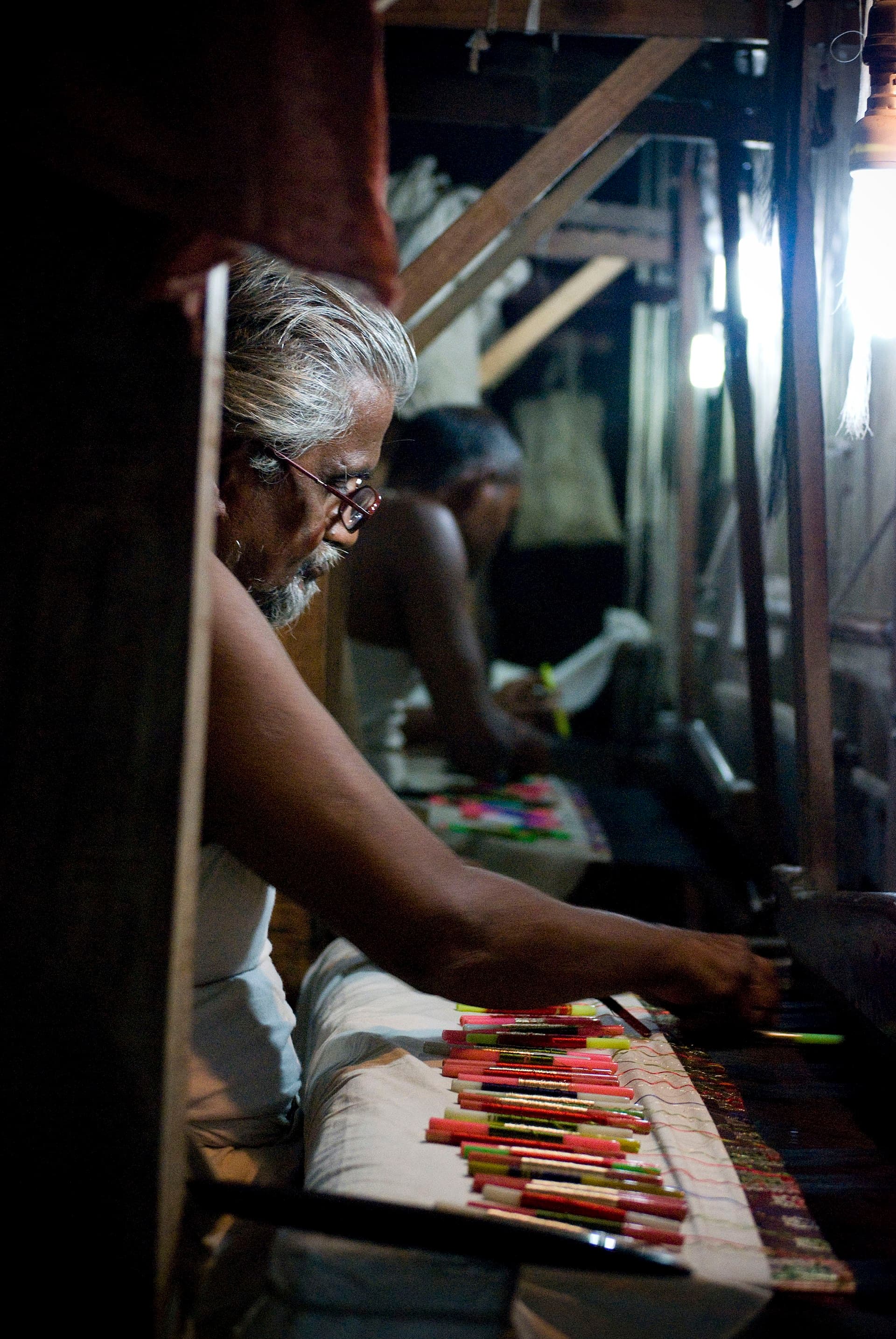
Banarasi Weaves: A Morning in Madanpura
In a narrow lane of the old city, two brothers weave the same sari their grandfather wove. The loom is older than the house.
By Rahul Verma··9 min read
Read the essayReported essays, photo essays, interviews, and oral histories from across Eastern Uttar Pradesh.
In a narrow lane of the old city, two brothers weave the same sari their grandfather wove. The loom is older than the house.
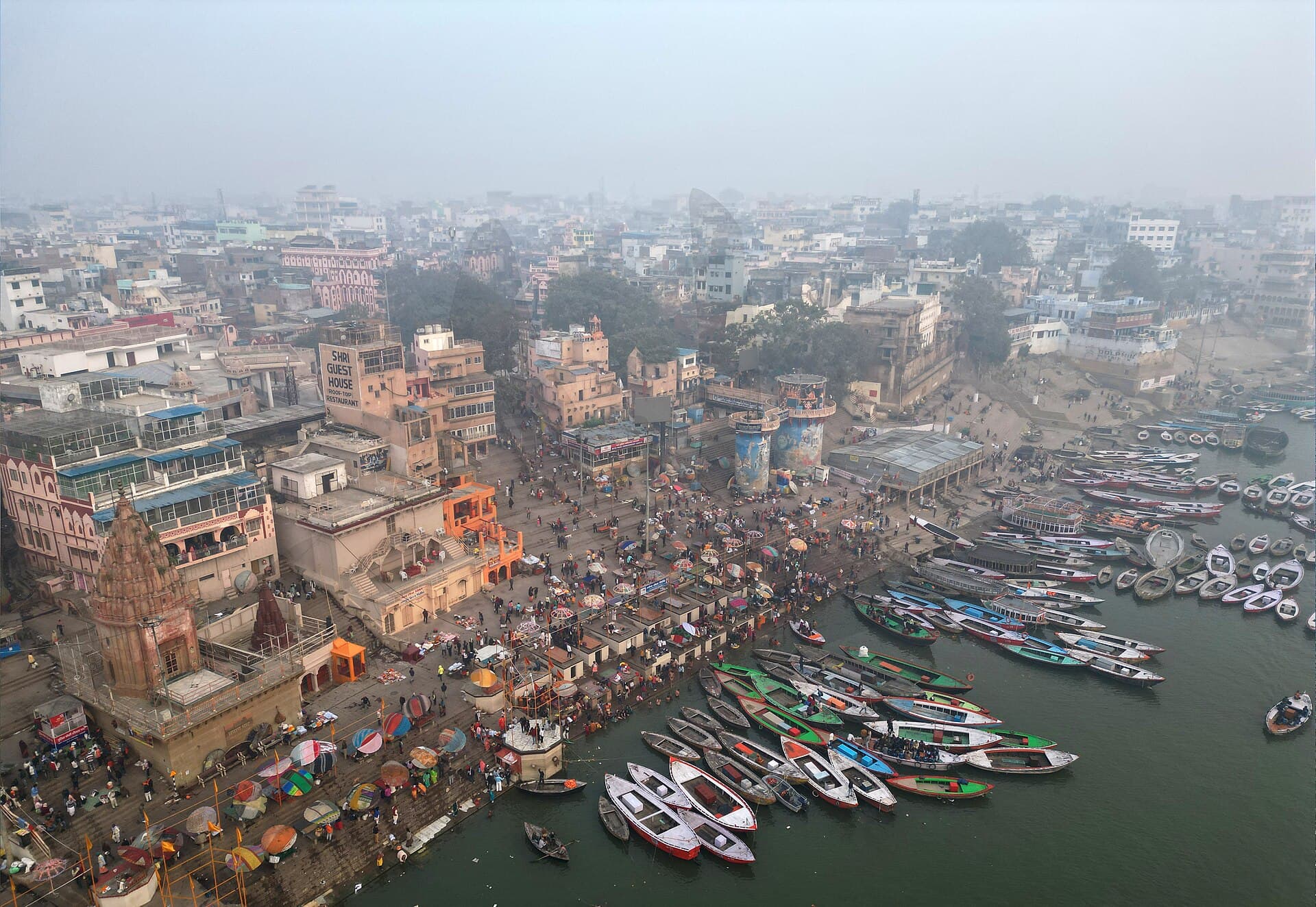
A slow walk from Assi to Dashashwamedh at first light, with the boatmen, bathers, yoga teachers, and sweepers who make a Varanasi morning.
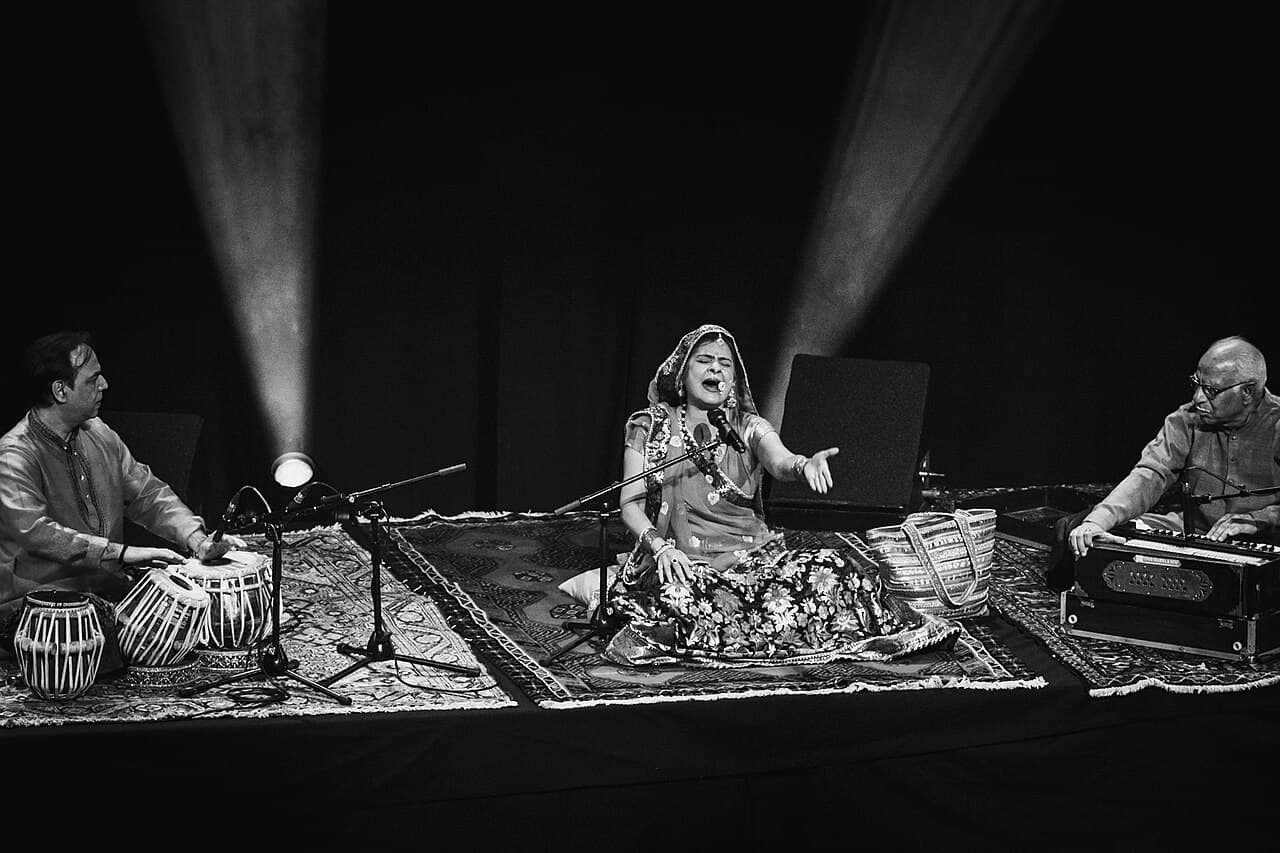
Kajri is a song for the monsoon, and the monsoon is a song for women whose husbands have gone away. An essay on one of the great seasonal forms of Bhojpuri music.
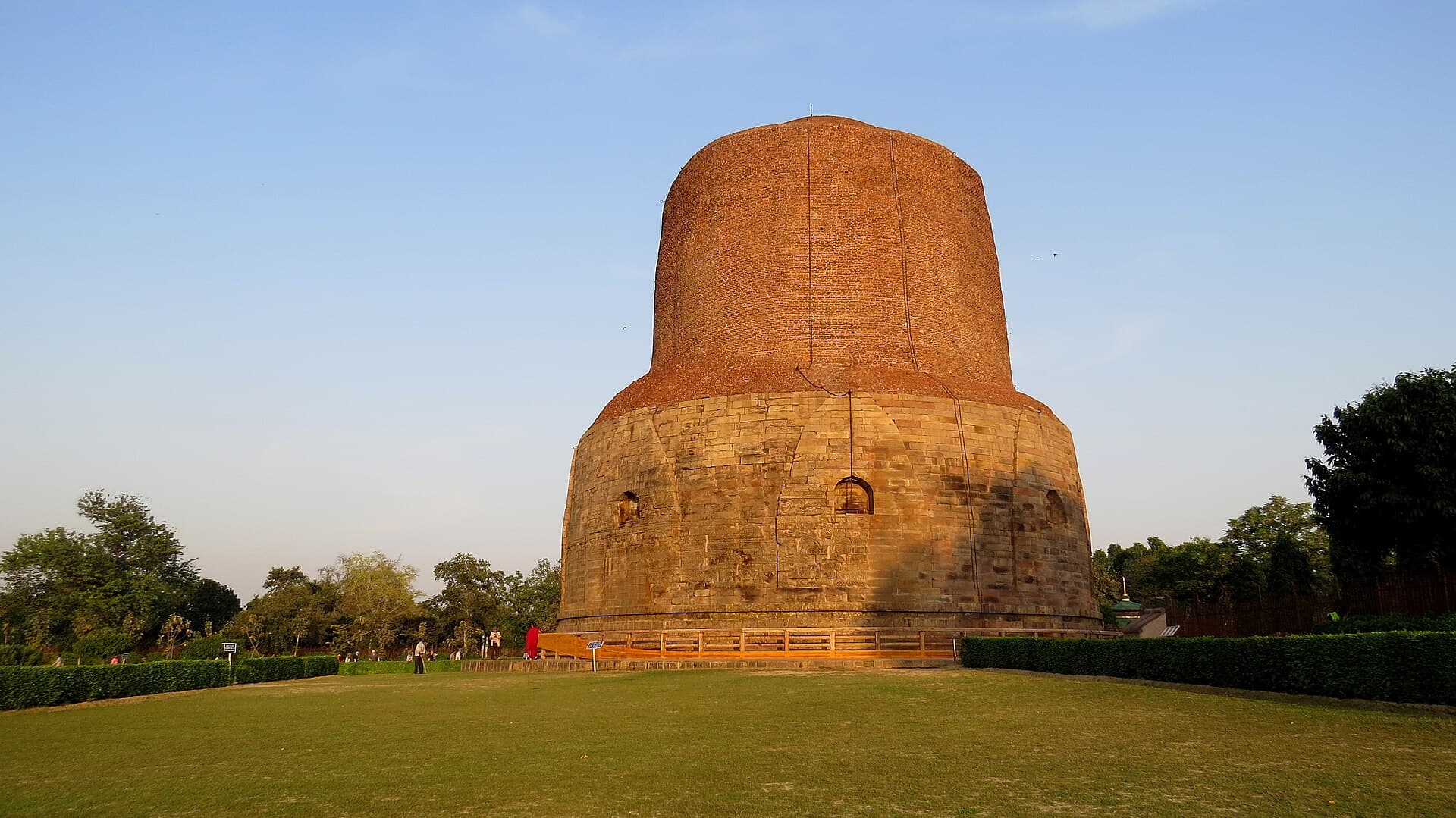
The Dhamek Stupa, Ashokan remains, and the modern-day monasteries of Sarnath — a visitor's guide that takes the site on its own terms.

Atala, Jama, and Lal Darwaza — the three great Sharqi mosques of Jaunpur, and a short history of the Sultanate that produced them.
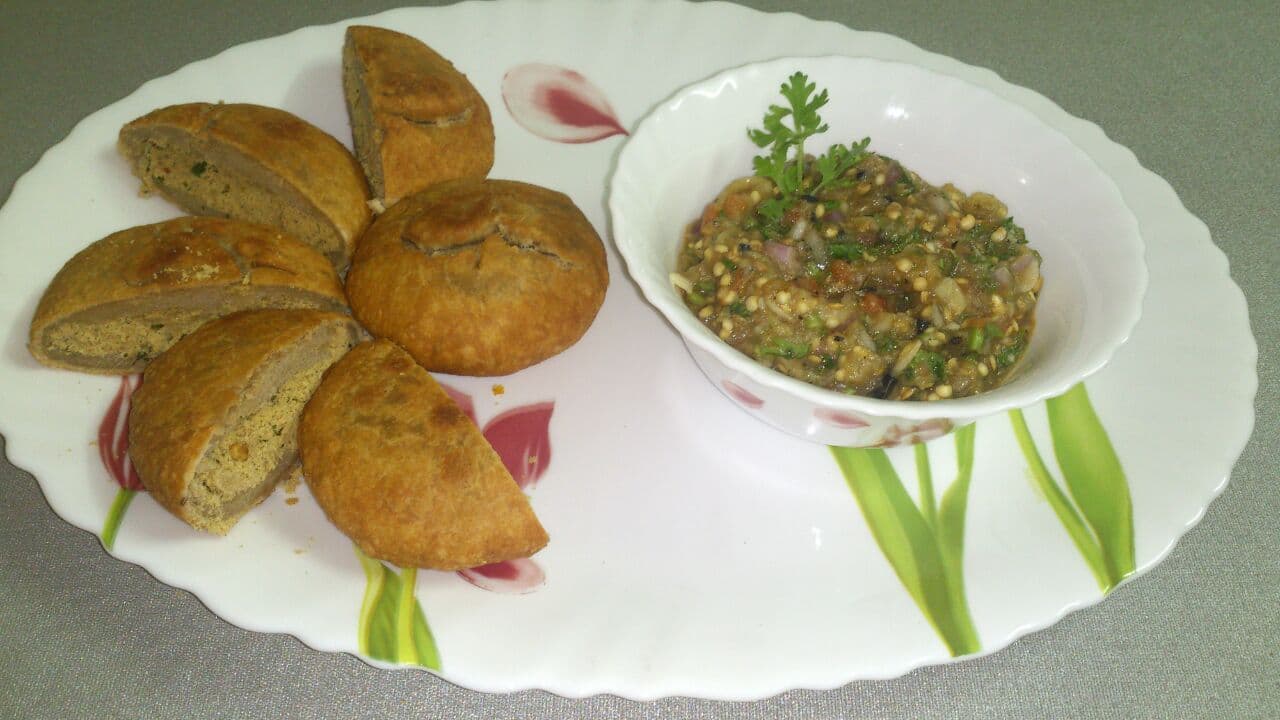
Litti-chokha, thekua, kachori-sabzi, malaiyo — a walk through the kitchens and street carts of Purvanchal, dish by dish.
A primer on the song-forms of Purvanchal — Kajri, Birha, Sohar, Nirgun, Chaita — where they are sung, who sings them, and what they are really about.
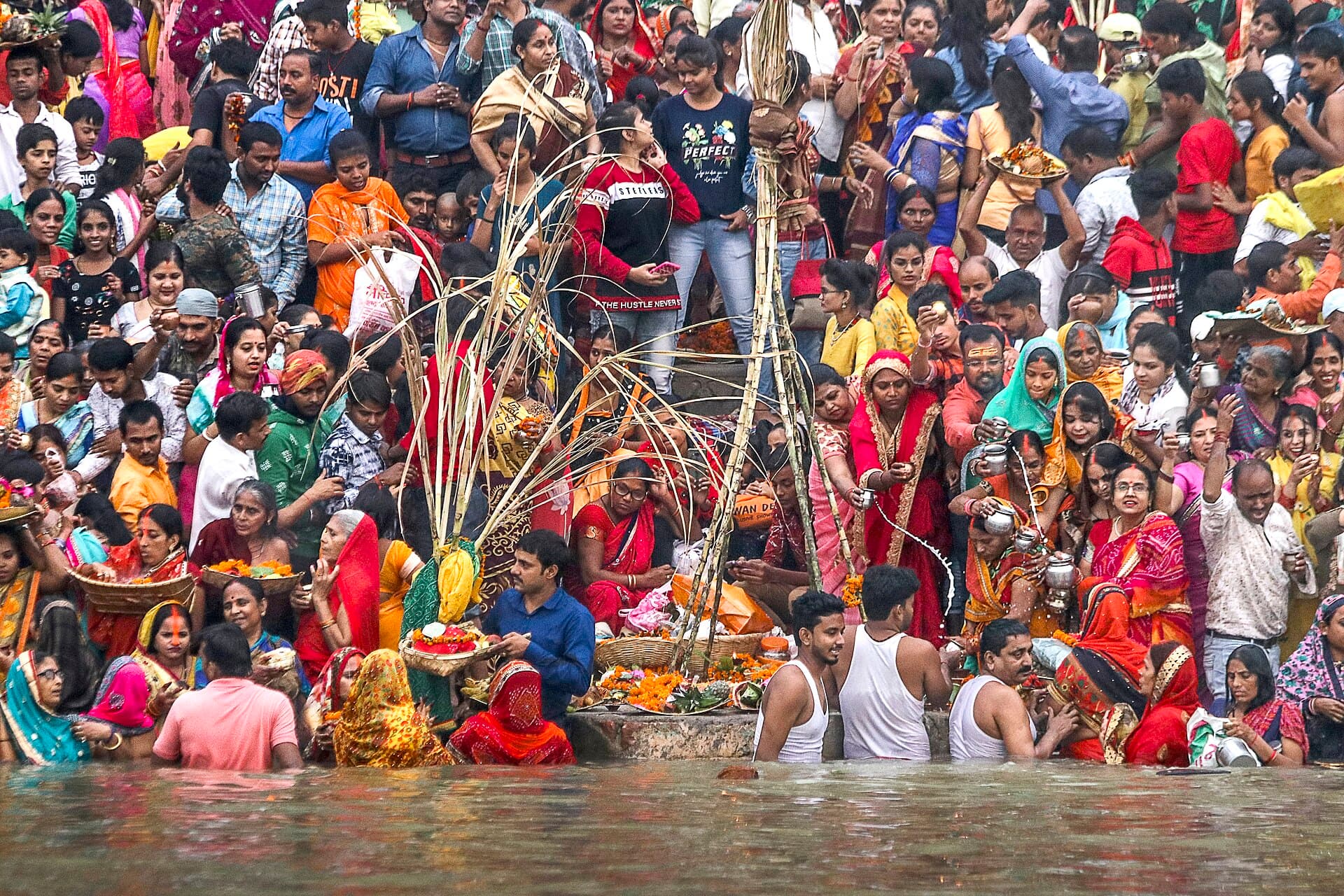
A night-long walk along the Ganga on Kartik Poornima, as lamps, rituals, and crowds transform the stone steps into a shared public stage.
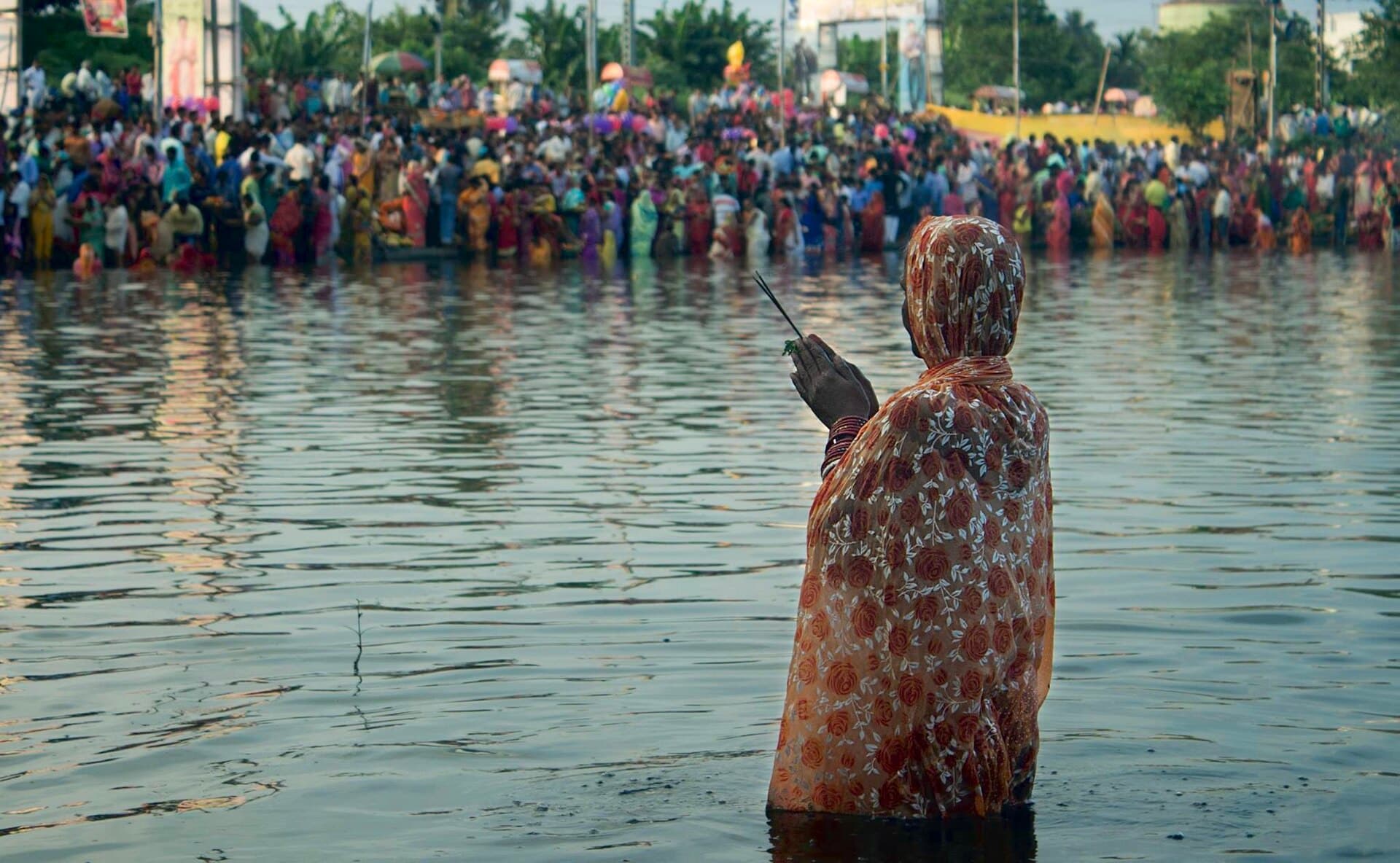
Chhath draws whole streets to the water at sunrise and sunset. A report from two neighbourhoods — one in Varanasi, one in Ballia — and the women who keep the vow.
One essay, one photograph, one festival we’re watching.